
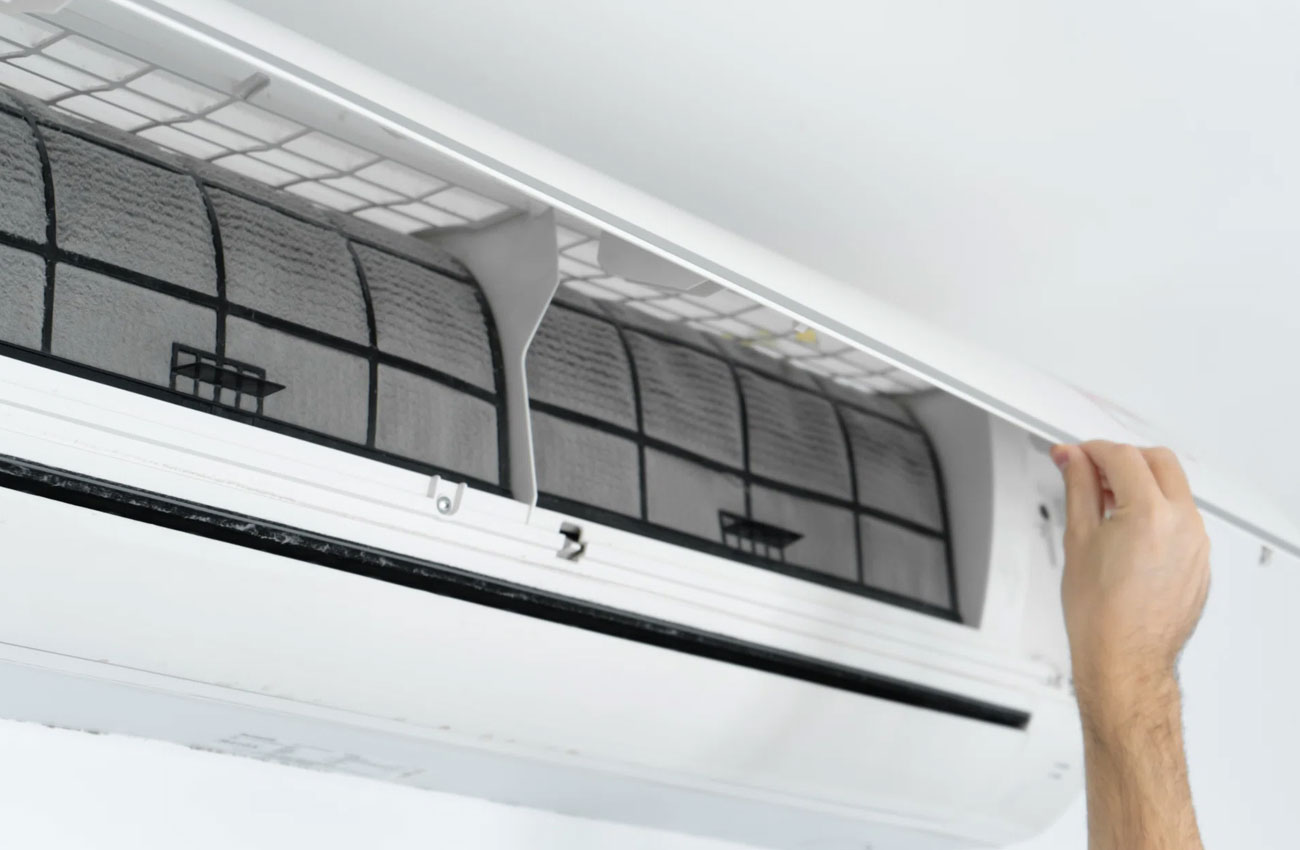
The Dirty Truth About DIY Air Con Cleaning
We’ve all seen the videos. A homeowner grabs a spray bottle, a vacuum, and a microfiber cloth. In thirty minutes, they’ve “serviced” their air conditioner, saved $200, and are relaxing in a minty-fresh breeze.
It sounds like a win. But here is the dirty truth: Surface cleaning is not the same as deep cleaning.
If your air conditioner still smells a bit musty, if your electricity bills are creeping up, or if your family is still sneezing, your DIY efforts haven’t solved the problem—they’ve just hidden it. Here is what most DIY guides don’t tell you.
1. You Aren’t Actually Reaching the “Gunk”
When you clean your filters, you’re doing great routine maintenance. But the real culprits—mold, bacteria, and “bio-slime”—don’t live on the filters. They live deep inside the:
-
Evaporator Coils: Moisture and dust create a sticky “blanket” that traps allergens.
-
Blower Wheel: This cylindrical fan is often coated in a thick layer of grime that restricts airflow and flings contaminants into the room.
-
Drain Pan and Line: These are dark, damp breeding grounds for microbial growth that a surface spray will never touch.
2. The “Push” Factor
Without professional pressure-washing equipment and catchment bags, DIY cleaning often does more harm than good. When you spray a “foam cleaner” into the coils from the front, you are often just pushing the dirt further into the center of the unit. This can lead to even worse blockages and potentially short-circuit the sensitive electronics hidden behind the casing.
3. The Myth of the “Fresh” Scent
Many supermarket coil cleaners use heavy fragrances. This might make your room smell like a pine forest for 48 hours, but it’s essentially just “perfume on a pig.” Once the scent fades, the underlying mold is still there, feeding on the moisture and spreading spores every time you click “on.”
4. You Might Be Voiding Your Warranty
Modern air conditioning units are complex machines. Most manufacturers explicitly state that warranties are only valid if the unit is maintained by a licensed professional. If you accidentally bend the delicate aluminum fins or knock a sensor while trying to save a few dollars, you could be looking at a repair bill that dwarfs the cost of a professional clean.
5. The Health Risk
An air conditioner is more than a cooler; it is a distribution device. If there is mold in the unit, it is being blown directly into your lungs. Professional cleaners use hospital-grade, pH-neutral biocides that actually kill the spores at the source, rather than just wiping away the visible dust.
The Verdict: Maintenance vs. Hygiene
Is DIY cleaning useless? No. You should clean your filters every few weeks and wipe down the external vents. That is maintenance.
However, it is not a substitute for hygiene.
Once or twice a year, your system needs a professional deep clean to clear the internal components, flush the drains, and ensure the air you breathe isn’t just cold—but clean.
The Bottom Line: If it’s been more than a year since your last professional service, your AC isn’t just dirty; it’s a health hazard. Put down the spray bottle and call in the experts. Your lungs (and your energy bill) will thank you.
Add a review
Your email address will not be published. Required fields are marked *