
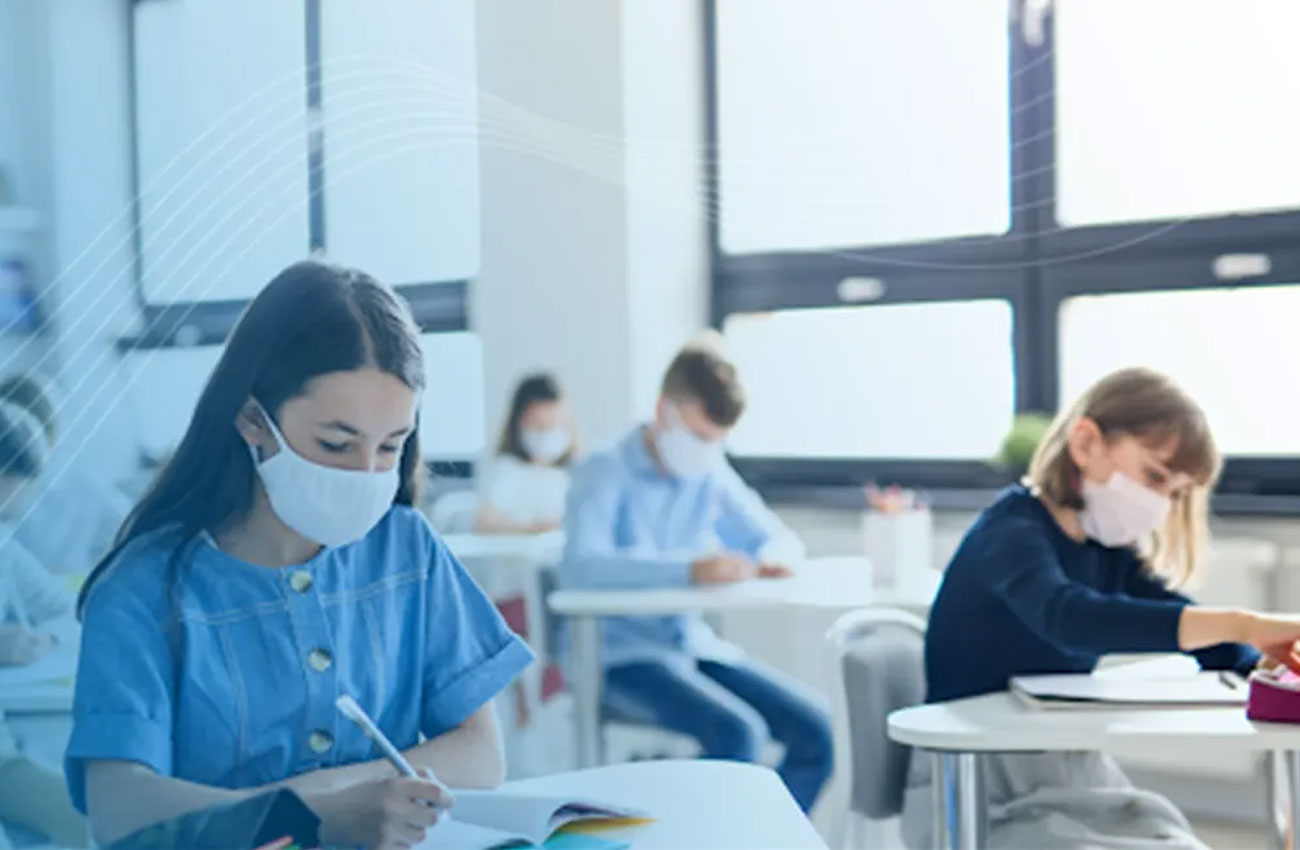
Poor Indoor Air Quality in Schools: Why AustralianClassrooms Need Cleaner Air
The Hidden Challenge Affecting Student Health and Learning
When discussing educational outcomes, most conversations focus on curriculum, technology, teacher quality, and school resources. Yet one critical factor often goes unnoticed—the quality of the air students breathe every day.
Across Australia, growing concern is being raised about indoor air quality (IAQ) in schools. Research has shown that many classrooms experience poor ventilation, elevated carbon dioxide (COn) levels, airborne pollutants, and inadequate air circulation that can negatively impact student wellbeing, concentration, and academic performance.
As students and teachers spend up to seven hours a day inside classrooms, ensuring clean indoor air should be considered just as important as providing clean drinking water and safe learning spaces.
Why Indoor Air Quality Matters in Schools
Children are particularly vulnerable to poor indoor air quality because their lungs and immune systems are still developing. They also breathe more air relative to their body size than adults.
Classroom air can contain a variety of pollutants, including:
• Dust and dust mites
• Pollen
• Mould spores
• Fine particulate matter (PM2.5)
• Volatile Organic Compounds (VOCs)
• Airborne bacteria and viruses
• Traffic-related pollution entering from outdoors
Studies have found that poor indoor air quality can contribute to respiratory discomfort, headaches,
fatigue, reduced concentration, and lower learning performance.
Australian Schools Face Growing Air Quality Challenges
Recent reports and research have highlighted concerns about classroom ventilation across Australia.
Researchers from the University of New South Wales found that some classrooms recorded carbon dioxide levels significantly above recommended thresholds due to inadequate ventilation. Higher COn levels often indicate insufficient fresh air circulation and can lead to increased concentrations of other indoor contaminants.
Experts are increasingly calling for national indoor air quality standards for schools, noting that while Australia has established standards for outdoor air quality, indoor air quality remains largely unregulated.
How Poor Air Quality Can Impact Learning
Research from Australia and internationally has demonstrated a strong connection between
classroom air quality and student performance.
Reduced Concentration
When COn levels rise, students may experience reduced attention spans and mental alertness.
Lower Academic Performance
Studies have linked poor classroom air quality with reduced performance in reading, mathematics,
and cognitive tasks.
Increased Absenteeism
Poor air quality may aggravate asthma, allergies, and respiratory conditions, contributing to
increased student and staff absences.
Teacher Productivity
Indoor air quality doesn’t only affect students. Teachers working in poorly ventilated environments may also experience fatigue, headaches, and reduced comfort throughout the day.
The Impact of Outdoor Pollution on Indoor Air
Many schools are located near busy roads, industrial areas, or urban centres where outdoor pollution levels can be elevated.
Research has shown that outdoor pollution can significantly affect indoor air quality, particularly fine particulate matter (PM2.5), which can enter classrooms through doors, windows, and ventilation systems. Bushfire smoke events can further worsen indoor air conditions across many Australian regions.
This means that simply opening windows may not always provide cleaner air, especially during periods of high outdoor pollution.
How Air Purifiers Can Help Improve Classroom Air Quality
While ventilation remains essential, modern air purification systems can play an important role in reducing airborne contaminants inside classrooms.
High-performance air purifiers equipped with HEPA filtration can capture:
• Fine particulate matter (PM2.5)
• Dust
• Pollen
• Mould spores
• Airborne allergens
• Smoke particles
When combined with activated carbon filtration, air purifiers can also help reduce odours and
certain gaseous pollutants.
Independent studies have shown that air filtration systems can significantly reduce airborne particle
concentrations in classroom environments.
Key Features Schools Should Look For
True HEPA Filtration
Captures microscopic airborne particles and allergens.
High CADR Ratings
Ensures sufficient air cleaning capacity for larger classrooms and learning spaces.
Activated Carbon Filters
Helps reduce odours, VOCs, and chemical pollutants.
Air Quality Monitoring
Provides real-time visibility into classroom air quality levels.
Low Noise Operation
Allows purification to run during lessons without disrupting learning.
Large Area Coverage
Essential for classrooms, libraries, staff rooms, and common areas.
Air Purification Solutions from Purified Air Australia
At Purified Air Australia, we provide advanced air purification systems suitable for schools, childcare centres, training facilities, and educational environments.
Our range includes:
• K07 Commercial Air Purifier
• K08D Air Purifier
• K15C Smart Air Purifier
• K06C HEPA Air Purifier
These systems feature advanced multi-stage filtration technologies designed to help reduce
airborne pollutants commonly found in educational settings.
Whether you’re looking to improve classroom air quality, reduce allergens, or support healthier
learning environments, selecting the right air purification system can make a meaningful difference.
Creating Healthier Learning Environments
Clean indoor air should be considered a fundamental part of every learning environment.
As awareness grows around the impact of indoor air quality on health, attendance, concentration,
and academic performance, schools have an opportunity to take proactive steps toward healthier
classrooms.
By combining proper ventilation, air quality monitoring, regular maintenance, and advanced HEPA
air purification systems, educational institutions can create safer, more comfortable spaces where
students and teachers can thrive.
Final Thoughts
The quality of classroom air directly affects the people who spend hours breathing it every day.
Improving indoor air quality is no longer just a facilities management issue—it is a health, wellbeing,
and educational performance priority.
Purified Air Australia is committed to helping schools, childcare centres, and educational facilities
create healthier indoor environments through advanced air purification technology designed for
Australian conditions.
https://shorturl.fm/WnkEm
https://shorturl.fm/8aGl8
https://shorturl.fm/CBjiR